The Ghost of Cihangir: Bridging the Past and Present with Tarkan
There is a specific kind of magic that lives in the streets of Cihangir. For decades, it was the playground of poets, actors, and the eccentric genius of Turkish pop culture. And perhaps no figure is as synonymous with those winding, cobblestone streets as the late, legendary Aysel Gürel.
When we began our recent collaboration with Tarkan and his creative team, the initial conversation was understated. The objective was functional: to create a visualizer for his latest track—a simple, atmospheric loop to live on YouTube. It was a standard request for the digital age.
But creativity rarely stays within the lines of a brief.
As our team began experimenting with Studio, toying with the moods and aesthetics of the song, we found ourselves asking a “what if” question that went far beyond a looping graphic. We realized that the technology at our fingertips wasn’t just capable of generating visuals; it was capable of resurrecting a memory.
We didn’t just want to make a video; we wanted to bring Aysel home.
A serendipitous demo
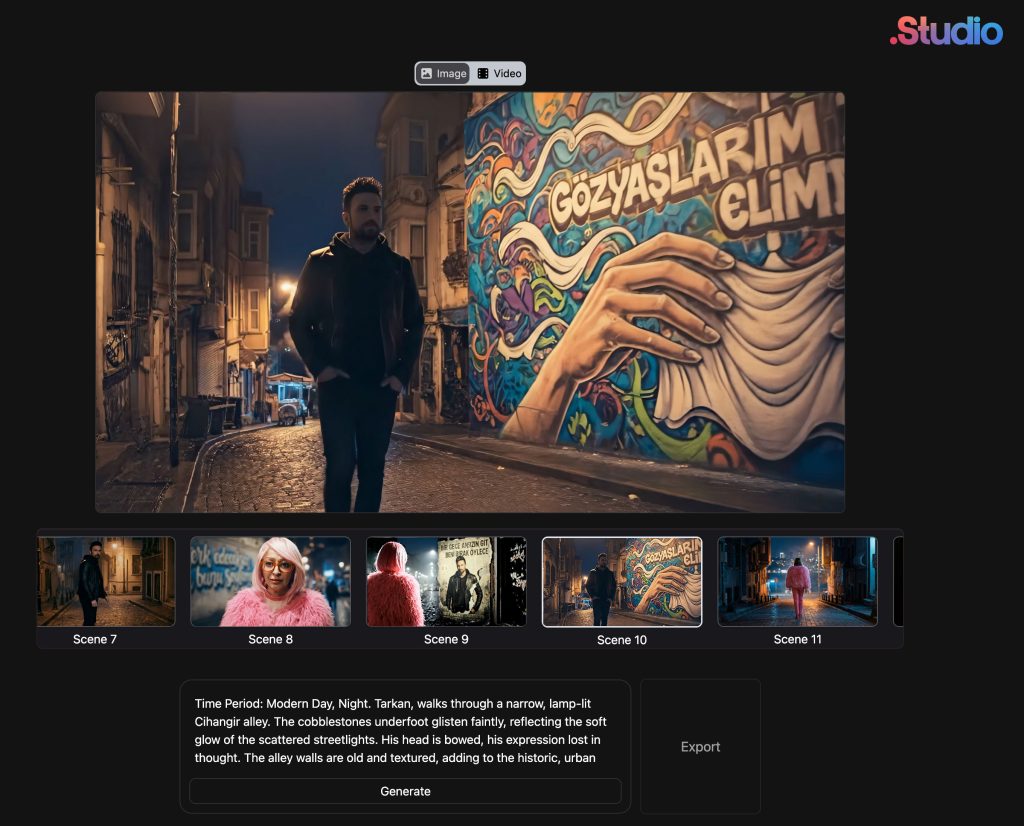
We decided to use Studio to sketch out a dream. We input the parameters of a specific nostalgia: the dim, orange-hued streetlights of Cihangir, the texture of the old buildings, and the unmistakable silhouette of Aysel Gürel.
The concept was simple yet heavy with emotion: Aysel, recreated through a blend of archival reference and generative artistry, wandering the empty streets of her neighborhood at night. She would be singing the lyrics, a ghostly but warm presence, moving toward a final destination where she would meet Tarkan.
When we shared this unsolicited demo with Tarkan’s inner circle, the project transformed instantly. It shifted from a technical deliverable to a shared emotional mission. The “visualizer” was abandoned. The story became the focus.
Navigating memory and ethics
The most critical part of this process wasn’t technical; it was human. Deepfake technology and digital avatars are often discussed in cold, legalistic terms, but for us, this was about legacy.
We moved forward only after deep conversations with Aysel’s family. With their blessing, the collaboration with Tarkan turned into a tribute. We weren’t working for them; we were working with them to ensure every gesture, every look, and every shadow felt true to the woman who wrote so many of the lyrics that defined a generation.
"Bu videonun yeri ve anlamı bende özel oldu🤍 #AnılarlaYaşamak sizlerle."
Creativity at the speed of thought
This is where the role of Studio became fascinating. In a traditional production environment, a concept involving digital human synthesis and period-accurate location recreation would effectively halt the creative flow. It would require weeks of modeling, storyboarding, and approvals before a single frame was rendered.
However, Studio allowed us to bypass the technical friction. The platform acted as a co-pilot, generating the full script and proposing scene compositions based on the Cihangir setting we envisioned.
Because the tool handled the heavy lifting of visualization, we were able to focus entirely on the feeling. We adjusted the lighting to make it warmer; we tweaked the pacing of the walk to make it more contemplative. We weren’t bogged down in rendering times; we were directing a scene.
Three days of flow
Remarkably, the journey from that initial spark—”What if we put Aysel in the video?”—to the final, finished cut took only three days.
This speed is notable not because of “efficiency,” but because it preserved the emotional momentum. The excitement in the room never had time to fade. The tearful reaction to the first draft of the reunion scene didn’t get lost in months of post-production. We captured the lightning while it was still in the bottle.
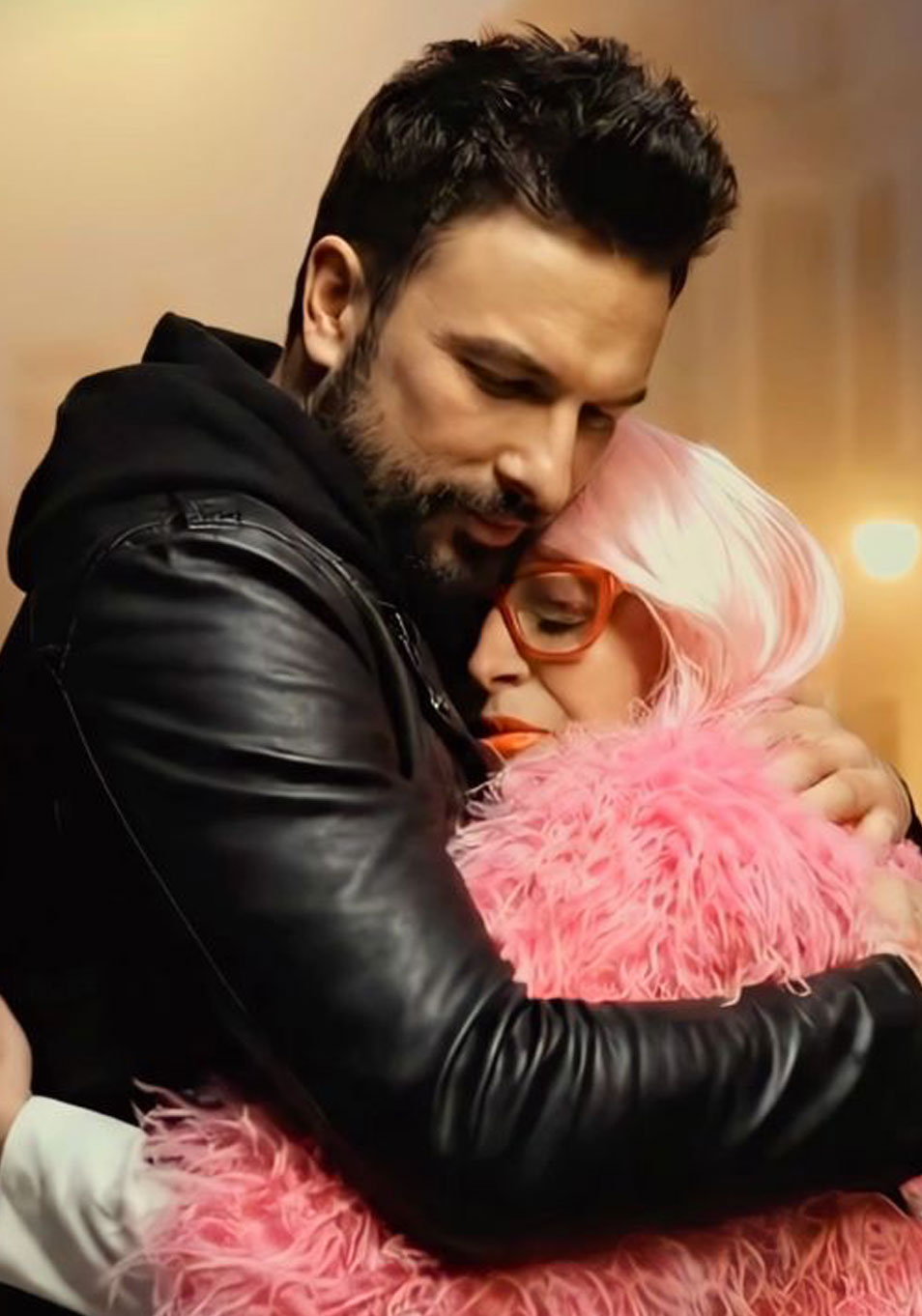
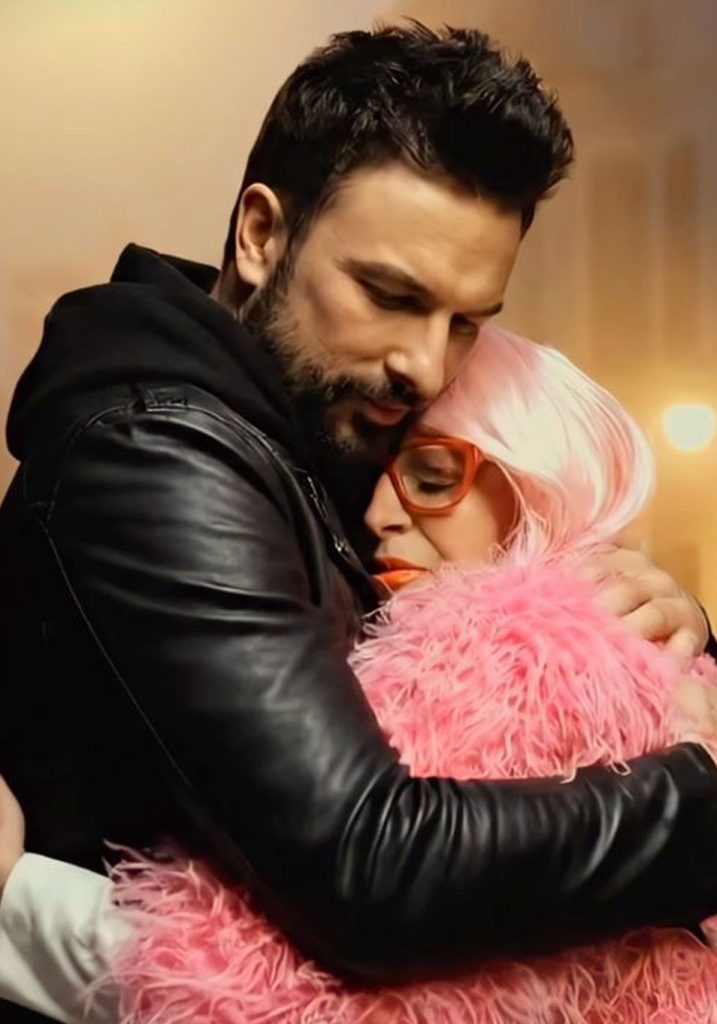
The final video, featuring the embrace between Tarkan and Aysel, stands as a testament to what is possible when technology is guided by empathy. It is a reminder that while AI is often feared as a tool that removes the human element, in the right hands, it can be the very thing that helps us hold onto it a little longer.